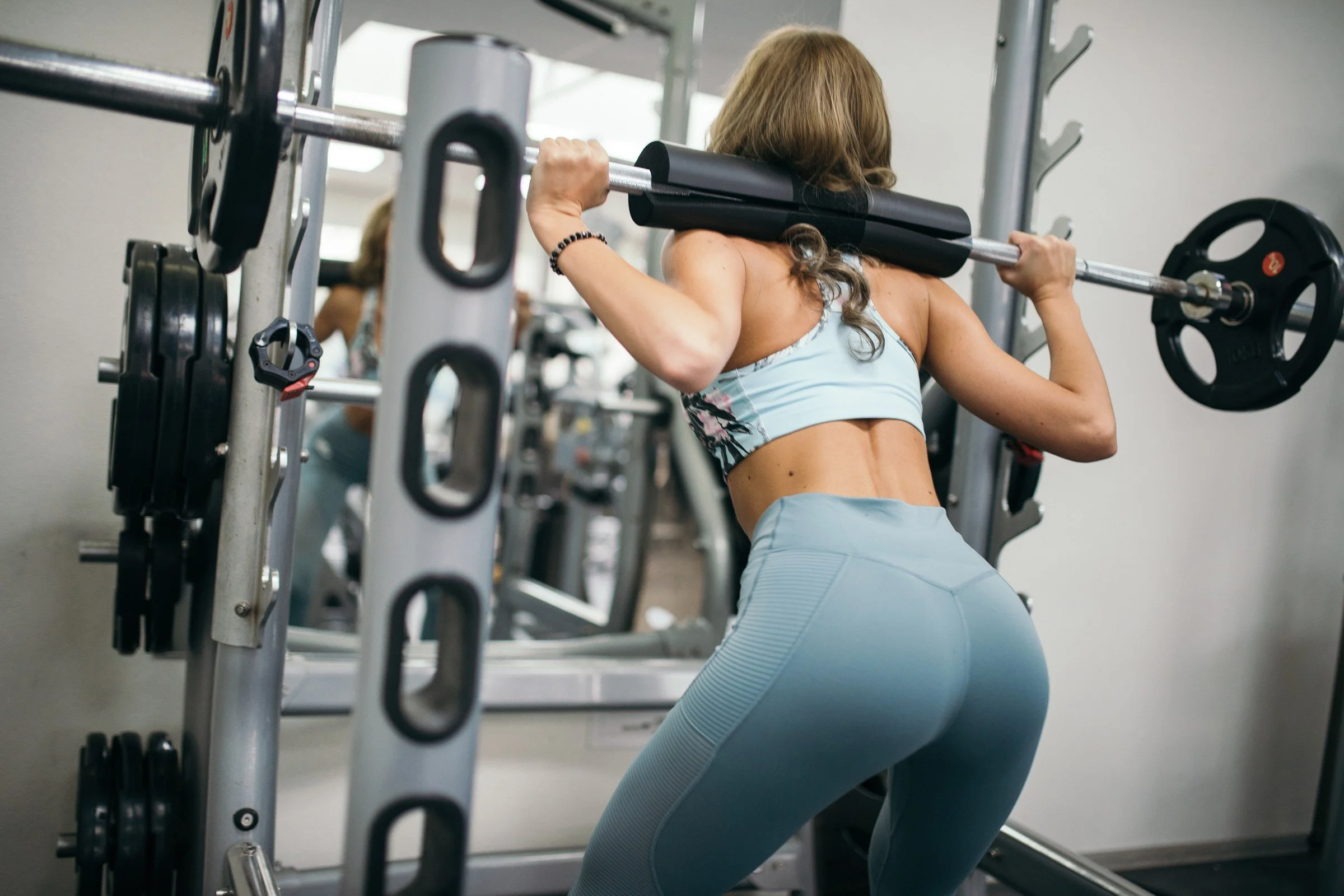
Photo: Nenad Stojkovic / Wikimedia Commons (via Flickr), CC BY 2.0 (cropped and resized). A barbell squat.
Key Takeaways
Strength and lean mass have the strongest support. Across dozens of trials, creatine plus resistance training raised bench and squat strength and fat-free mass a little (Kazeminasab et al., 2025; Pashayee-Khamene et al., 2024).
Women respond, especially with lifting. In postmenopausal women, creatine with resistance training added a small amount of lean mass and leg-press strength (Naddafha et al., 2026).
Aging research favors creatine with training. Narrative and trial evidence points to lean mass, strength and function gains when creatine is paired with exercise (Candow et al., 2025).
Brain benefits are emerging, not settled. Memory effects look larger in older adults in one meta-analysis, but certainty is mixed and high-quality aging trials are still limited (Prokopidis et al., 2023; Marshall et al., 2026).
Creatine benefits are having a second life. Once marketed almost only to young male lifters, creatine monohydrate now shows up in conversations about women's training, healthy aging and brain health. The research base is large, but not every claim sits on the same footing.
This article is educational, not medical advice. Talk with a qualified clinician before using creatine if you have kidney disease, are pregnant or breastfeeding, take prescription medication or have another medical condition. Nothing here is dosing advice for a medical problem.
What Creatine Benefits Are Best Supported?
Creatine helps muscle cells regenerate ATP during short, hard efforts. The International Society of Sports Nutrition (ISSN) position stand concludes that creatine monohydrate is safe and effective for improving high-intensity exercise capacity and lean mass when combined with training in healthy people (Kreider et al., 2017).
A 2025 meta-analysis of 69 randomized trials (1,937 adults) found that creatine plus resistance training improved bench or chest-press strength by 1.43 kg, squat strength by 5.64 kg, vertical jump by 1.48 cm and Wingate peak power by 47.81 watts versus placebo. Leg-press and handgrip changes were not statistically significant (Kazeminasab et al., 2025).
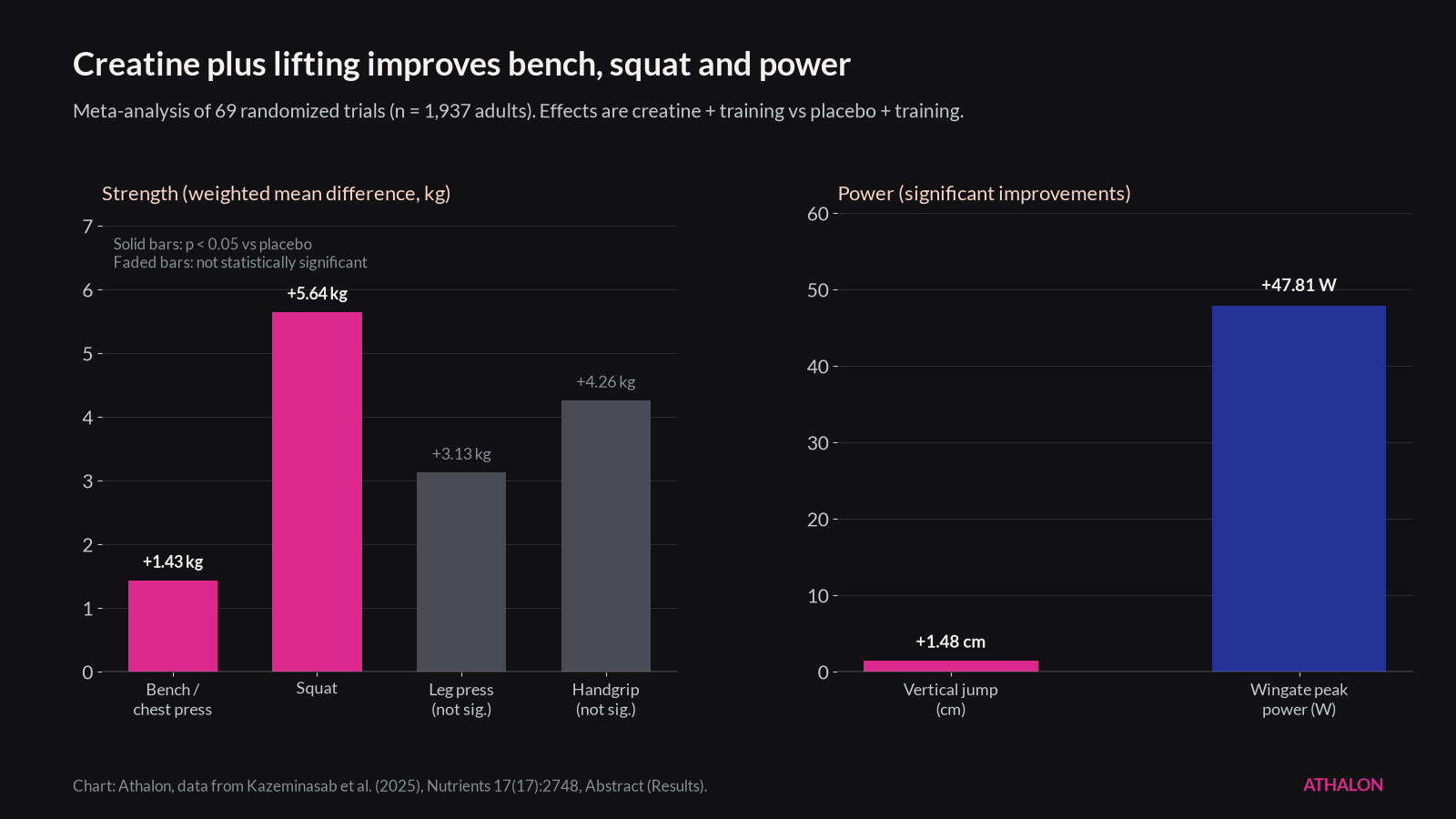
Chart: Athalon, data from Kazeminasab et al. (2025), Nutrients, Abstract (Results).
On body composition, a GRADE-assessed review of 143 trials reported small average gains of 0.86 kg in body mass and 0.82 kg in fat-free mass, with a 0.28 percentage-point drop in body-fat percentage. Effects were more robust when creatine was paired with resistance training (Pashayee-Khamene et al., 2024).
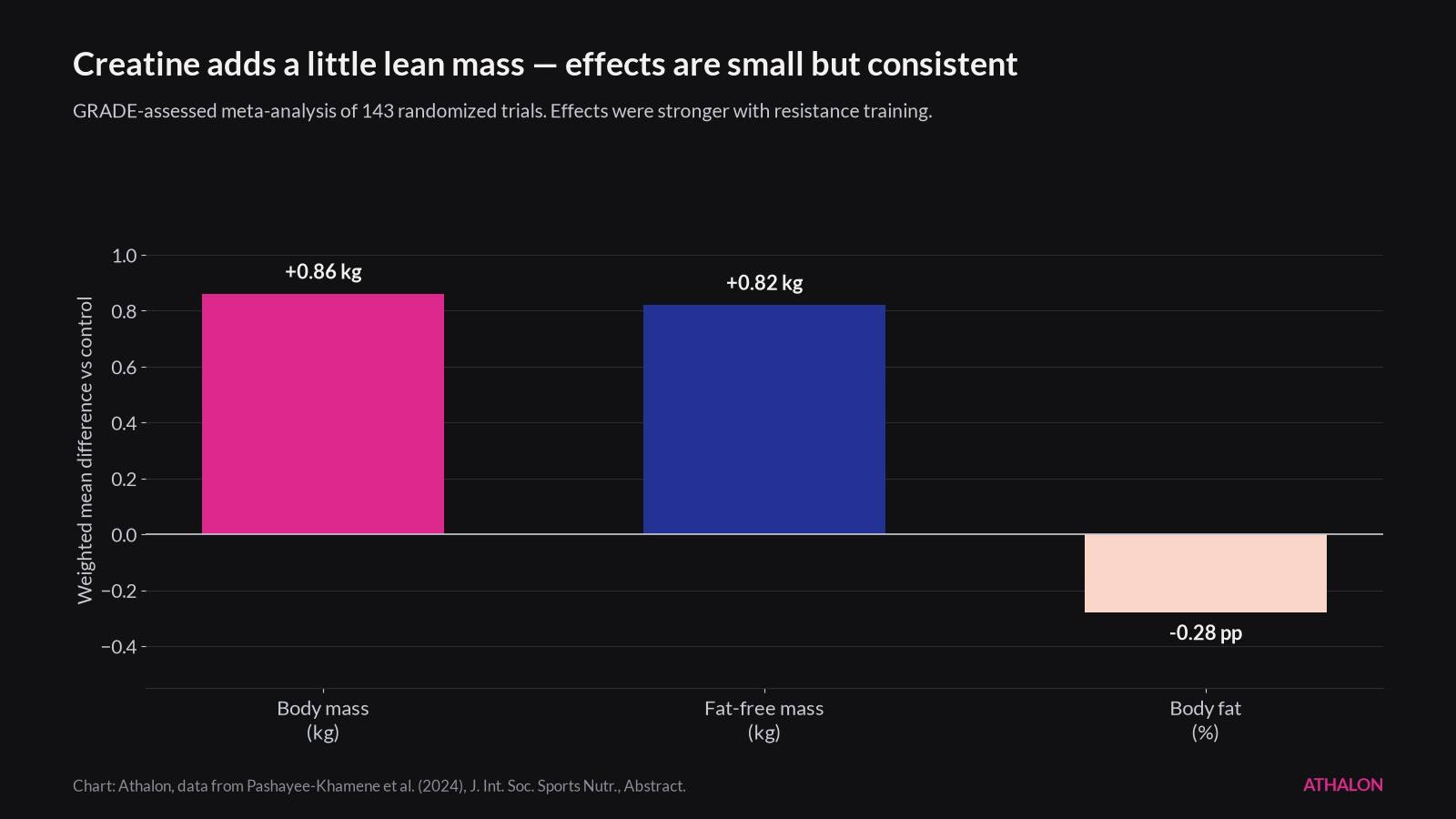
Chart: Athalon, data from Pashayee-Khamene et al. (2024), Journal of the International Society of Sports Nutrition, Abstract.
Those numbers are modest. They are also consistent across large pools of trials, which is why strength and lean-mass outcomes sit at the top of the evidence ladder for creatine benefits.
Creatine for Women: What the Trials Show
Early creatine research leaned heavily on men, which left a gap that social media later filled with strong claims. Controlled data are clearer now. A 2026 systematic review and meta-analysis of seven randomized trials in postmenopausal women (608 randomized) found lean-mass gains of 0.37 kg and leg-press 1RM gains of 7.5 kg with creatine. Benefits were clearest when doses of at least 5 g per day were combined with resistance training; low-dose creatine without training did not show a measurable effect. Bone density was unchanged overall (Naddafha et al., 2026).
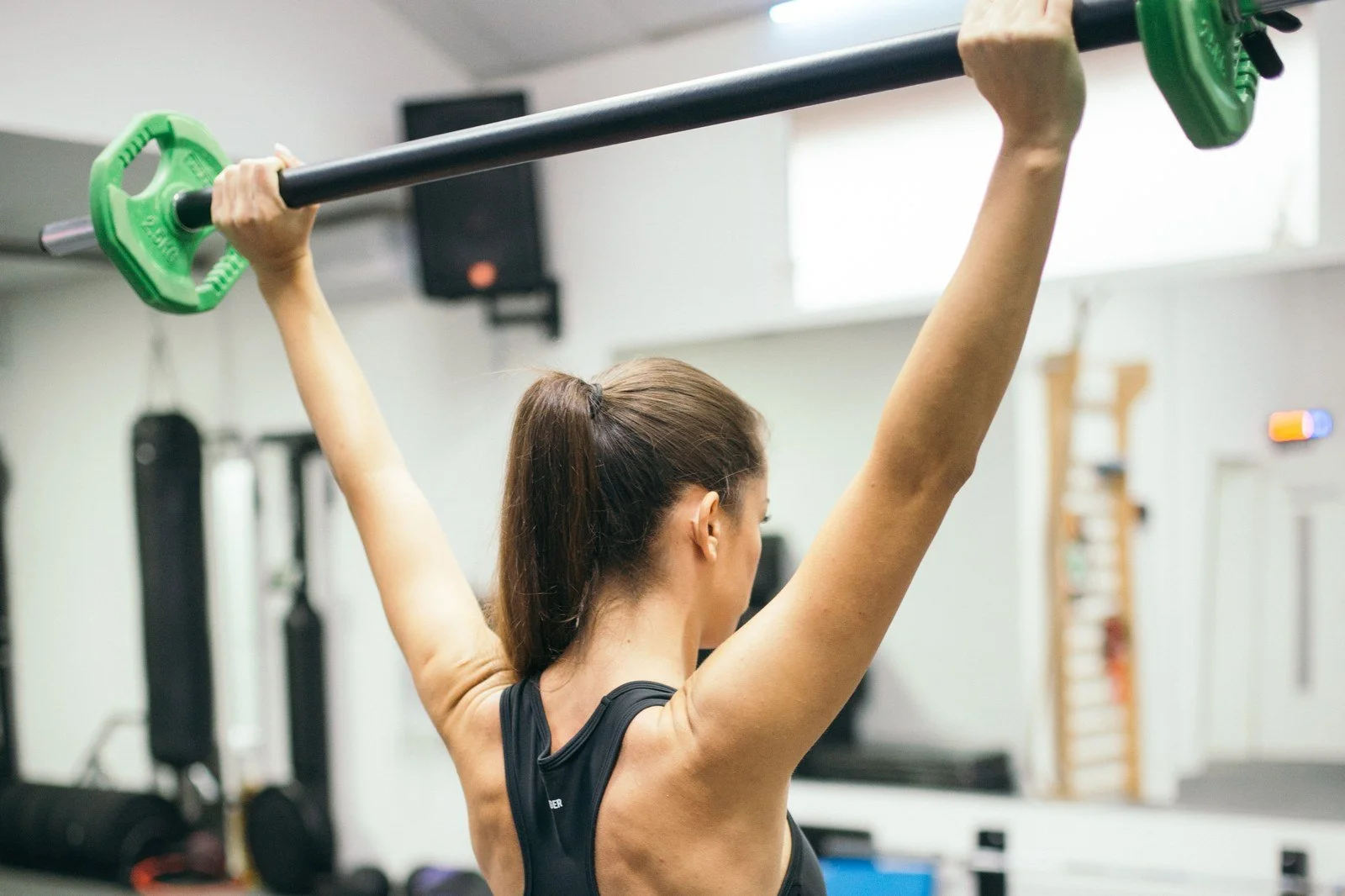
Photo: Nenad Stojkovic / Wikimedia Commons (via Flickr), CC BY 2.0 (cropped and resized). An overhead barbell press.
ISSN authors reviewing common misconceptions conclude there is accumulating evidence that creatine can support female athletes and clinical populations across the lifespan, with little to no side effects in the studied groups (Antonio et al., 2021). That is not the same as saying every women-specific marketing claim is proven. Expect small strength and lean-mass effects when you lift; treat bone, mood and hormone claims as separate questions that need their own evidence.
Aging: Lean Mass, Strength and Function
Muscle and strength decline with age. Candow and colleagues' 2025 narrative review reports that creatine monohydrate, primarily with exercise training, has beneficial effects on whole-body lean mass, regional muscle size, muscle strength, some bone measures, functional ability and cognition in older adults (Candow et al., 2025). The ISSN position stand similarly notes greater gains in muscle mass and upper-body strength when older adults combine creatine with resistance training versus training alone (Kreider et al., 2017).
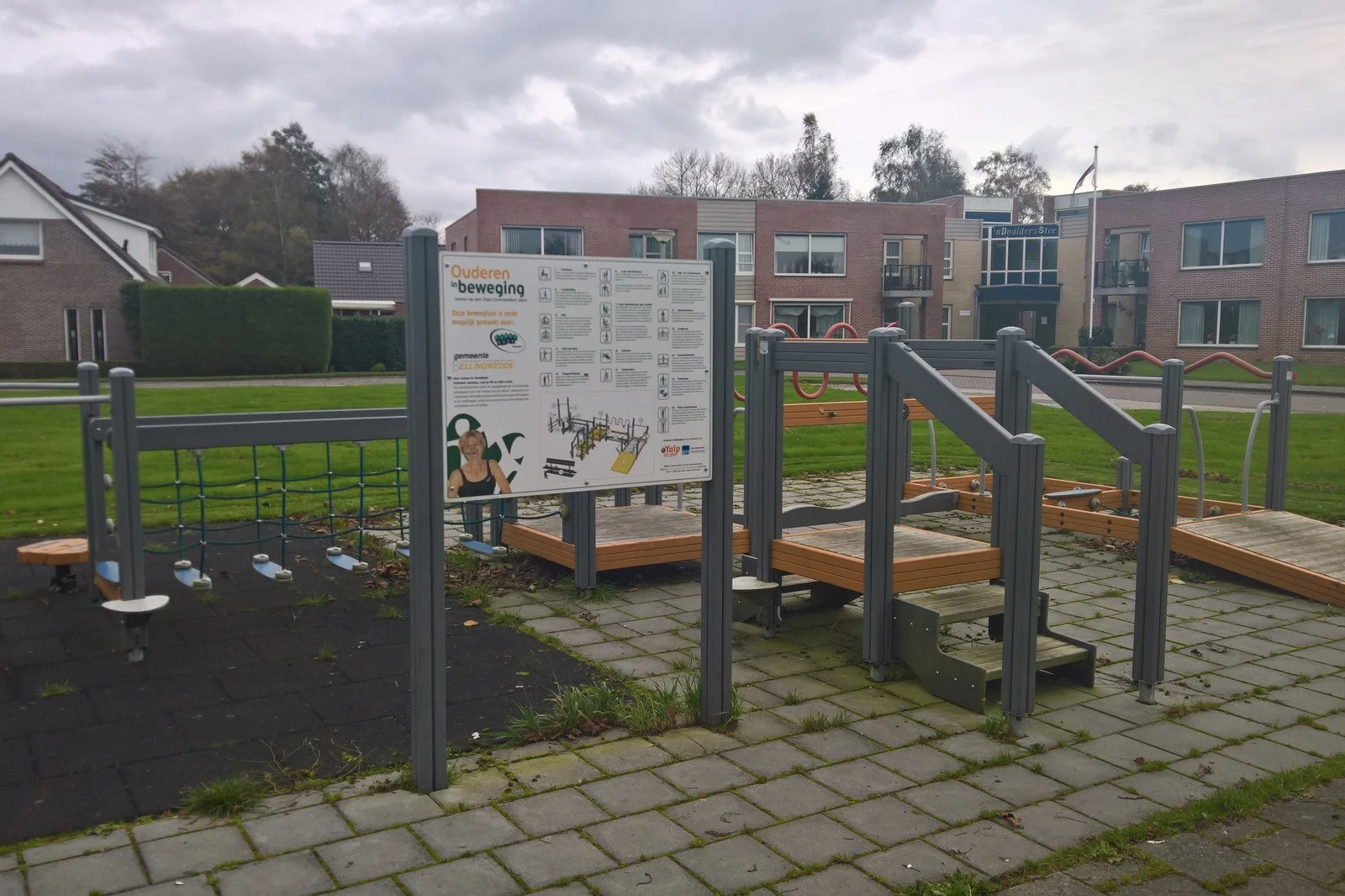
Photo: Donald Trung / Wikimedia Commons, CC BY-SA 4.0 (cropped and resized). An outdoor exercise station designed for older adults in Blijham, Netherlands.
The practical pattern matches the younger-adult data: creatine is an aid to training, not a substitute for it. Trials that use low doses without progressive lifting are the ones that often look flat.
Brain and Cognition: Promising, Still Emerging
Your brain uses creatine for energy buffering too. Whether a supplement moves cognition is a harder question.
A 2023 meta-analysis of eight randomized trials in healthy people found a small overall memory improvement (standardized mean difference 0.29). The effect was near zero in younger adults (SMD 0.03) and larger in adults aged 66–76 (SMD 0.88), though that older subgroup was heterogeneous (Prokopidis et al., 2023).
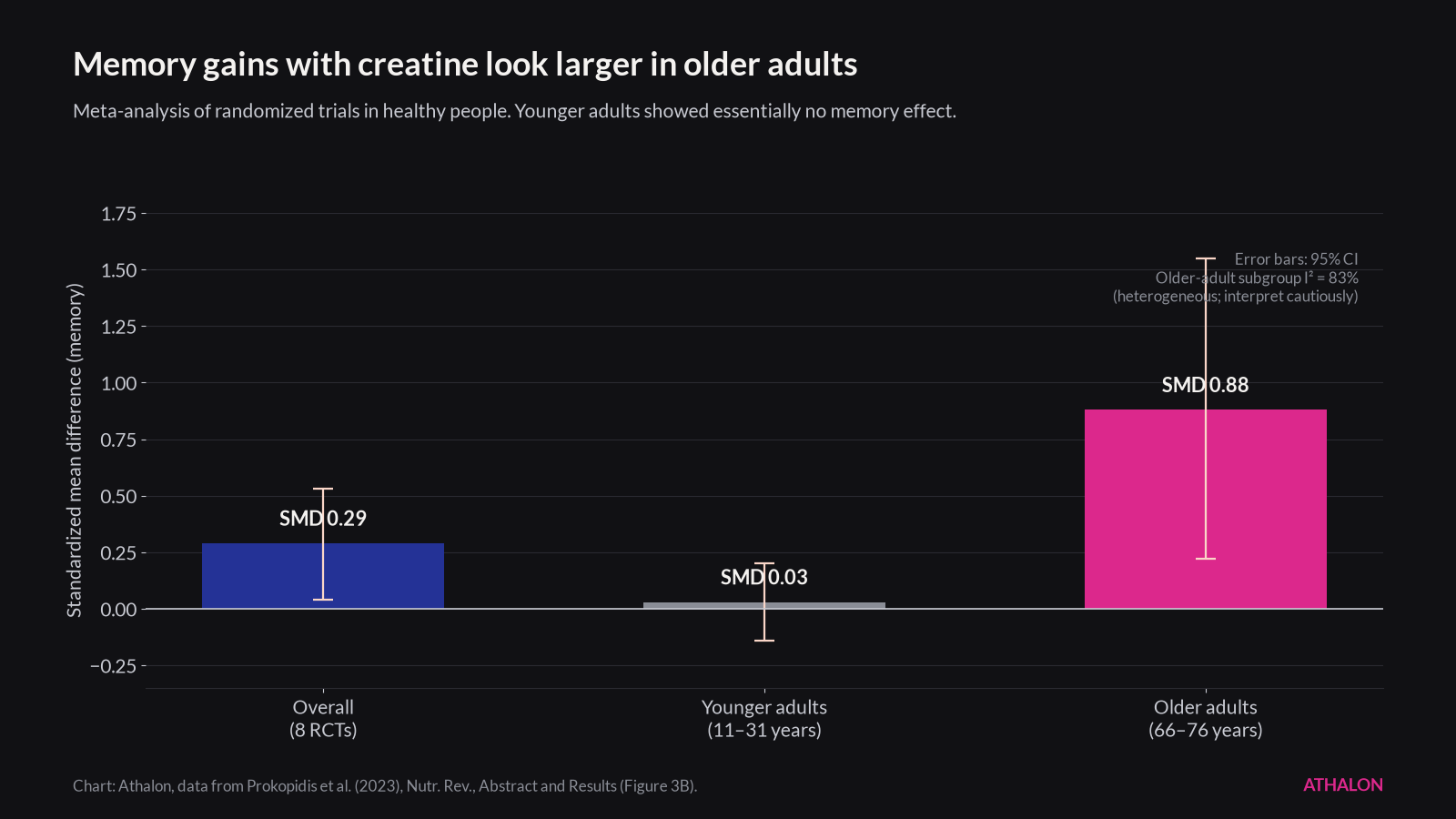
Chart: Athalon, data from Prokopidis et al. (2023), Nutrition Reviews, Abstract and Results (Figure 3B).
A broader 2024 cognitive meta-analysis (16 RCTs, 492 participants) reported benefits for memory and some attention and processing-speed timing measures, with moderate certainty for memory and low certainty for other domains. Overall cognitive function and executive function did not improve significantly (Xu et al., 2024). A 2026 systematic review focused on adults 55 and older found that five of six included studies reported a positive link between creatine and cognition, especially memory and attention, but study quality was often fair or poor and high-quality trials are still needed (Marshall et al., 2026).
Bottom line: cognition is the least settled of the three themes in this post. Age, sleep, disease status and dose may matter, and the literature does not yet support creatine as a stand-alone brain treatment.
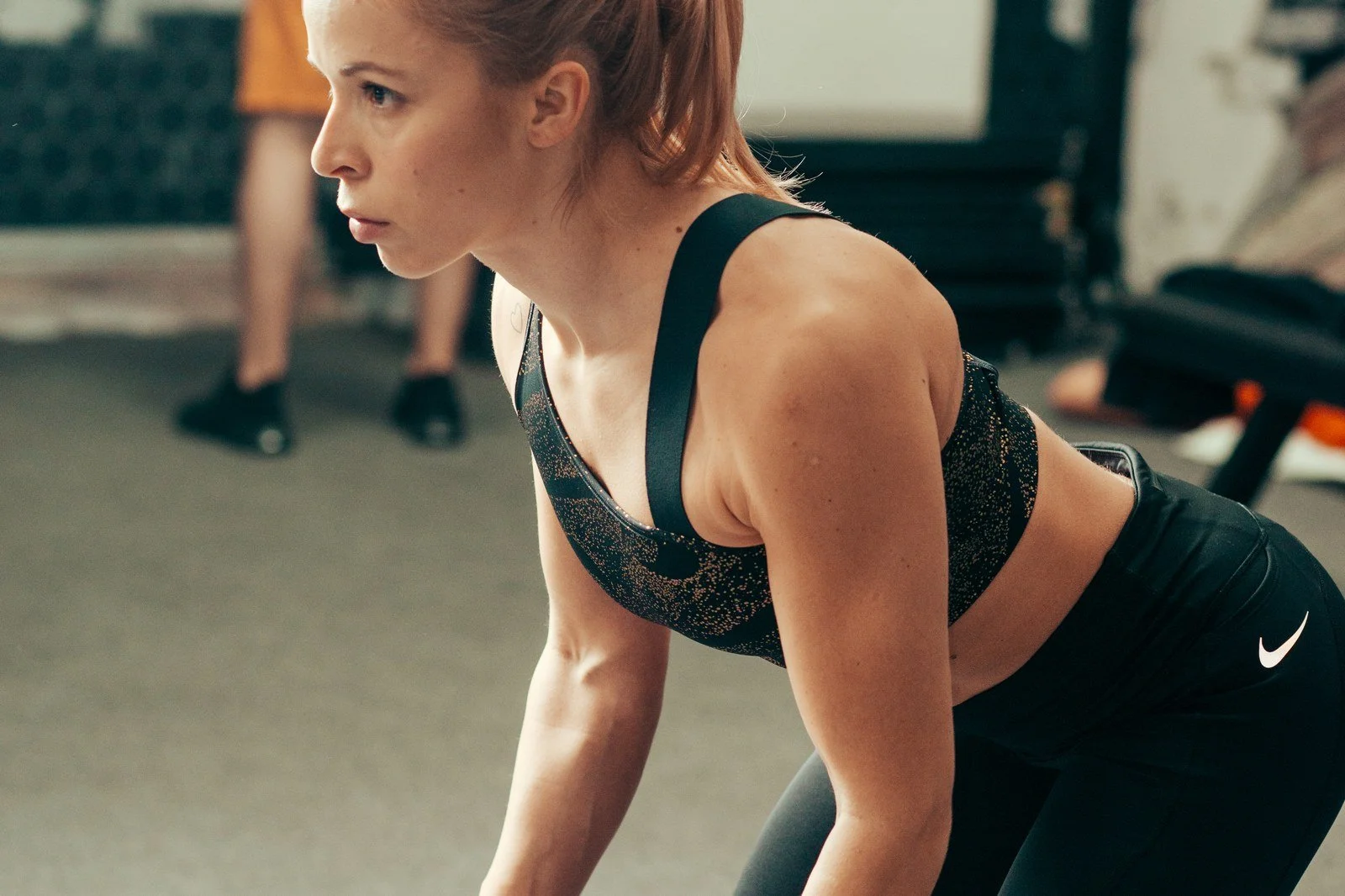
Photo: Shixart1985 / Wikimedia Commons (via Flickr), CC BY 2.0 (cropped and resized). A dumbbell shoulder press.
How to Use the Evidence Practically
These points translate research into training decisions. They are not a prescription.
Pair creatine with progressive resistance training. The largest, most consistent effects on strength and lean mass appear when you lift (Kazeminasab et al., 2025; Pashayee-Khamene et al., 2024).
Creatine monohydrate is the studied form. Alternative forms have not outperformed monohydrate in evidence-based reviews (Antonio et al., 2021).
Loading is optional. ISSN notes that about 3–5 g per day raises muscle creatine over three to four weeks; a short higher-intake loading phase saturates stores faster (Kreider et al., 2017). Ask your clinician what fits your situation.
Track lifts, not just the scale. Early body-mass changes can include water. Strength numbers and how clothes fit are often more informative (Antonio et al., 2021).
Keep expectations honest for brain claims. If cognition is your goal, treat current evidence as emerging and keep sleep, training and medical care as the foundation (Marshall et al., 2026).
Limitations and Safety
Most performance trials are weeks to months long, not decades. Cognitive trials are smaller, use different tests and sometimes disagree on who benefits most. Industry ties appear in some sports-nutrition papers; read disclosures.
On safety, a 2026 structured review of 684 randomized trials (more than 12,800 participants across creatine and placebo arms) found side effects were infrequent and that creatine did not show a consistent dose- or duration-dependent increase in gastrointestinal, renal, liver, musculoskeletal or other side effects versus placebo at the study-reporting level (Gonzalez et al., 2026). ISSN authors state that recommended-dose creatine has not been shown to cause kidney damage in healthy individuals (Antonio et al., 2021). Human pregnancy safety data from well-designed RCTs are still lacking, so pregnancy and breastfeeding decisions belong with your obstetric clinician (Antonio et al., 2025).
If you have known kidney disease or another chronic condition, get personalized medical advice before using creatine.
Conclusion: Strong Where It Counts, Cautious Where It Doesn't
Creatine benefits for high-intensity strength, power and lean mass with training are among the best-supported findings in sports nutrition. Women and older adults are not excluded from those effects when resistance training is part of the plan. Cognition and some aging-brain claims are interesting and actively studied, but they are not yet in the same evidence class.
Train the adaptations you want to keep. In the Athalon app you can log lifts and runs, create competitions with friends, and track where you stand on the leaderboard while you build the habits that make any supplement matter. Download Athalon on the App Store. Athalon is not affiliated with creatine brands or supplement companies.
Frequently Asked Questions
Q: Do creatine benefits apply to women?
A: Yes, when women lift. A 2026 meta-analysis in postmenopausal women found small lean-mass and leg-press strength gains with creatine plus resistance training, especially at ≥5 g/day (Naddafha et al., 2026).
Q: Does creatine help older adults?
A: Evidence is favorable for lean mass, strength and function when creatine is combined with exercise training (Candow et al., 2025; Kreider et al., 2017).
Q: Does creatine improve memory or brain function?
A: Possibly, with more signal in older adults in one memory meta-analysis, but certainty is mixed and high-quality aging trials remain limited (Prokopidis et al., 2023; Marshall et al., 2026; Xu et al., 2024).
Q: Is creatine safe for your kidneys?
A: In healthy people taking studied doses, controlled research has not shown kidney damage (Antonio et al., 2021; Gonzalez et al., 2026). If you have kidney disease, ask your clinician first.
References
Kreider, R. B., Kalman, D. S., Antonio, J., Ziegenfuss, T. N., Wildman, R., Collins, R., Candow, D. G., Kleiner, S. M., Almada, A. L., & Lopez, H. L. (2017). International Society of Sports Nutrition position stand: Safety and efficacy of creatine supplementation in exercise, sport, and medicine. Journal of the International Society of Sports Nutrition, 14, 18. https://doi.org/10.1186/s12970-017-0173-z
Kazeminasab, F., Kerchi, A. B., Sharafifard, F., Zarreh, M., Forbes, S. C., Camera, D. M., Lanhers, C., Wong, A., Nordvall, M., Bagheri, R., & Dutheil, F. (2025). The effects of creatine supplementation on upper- and lower-body strength and power: A systematic review and meta-analysis. Nutrients, 17(17), 2748. https://doi.org/10.3390/nu17172748
Pashayee-Khamene, F., Heidari, Z., Asbaghi, O., Ashtary-Larky, D., Goudarzi, K., Forbes, S. C., Candow, D. G., Bagheri, R., Ghanavati, M., & Dutheil, F. (2024). Creatine supplementation protocols with or without training interventions on body composition: A GRADE-assessed systematic review and dose-response meta-analysis. Journal of the International Society of Sports Nutrition, 21(1), 2380058. https://doi.org/10.1080/15502783.2024.2380058
Naddafha, S., Antonio, J., Kreider, R. B., & Stout, J. R. (2026). Creatine monohydrate for lean mass, strength, and bone density in postmenopausal women: A systematic review and meta-analysis. Journal of the International Society of Sports Nutrition, 23(1), 2668435. https://doi.org/10.1080/15502783.2026.2668435
Candow, D. G., Ostojic, S. M., Chilibeck, P. D., Longobardi, I., Gualano, B., Tarnopolsky, M. A., Wallimann, T., Moriarty, T., Kreider, R. B., Forbes, S. C., Schlattner, U., & Antonio, J. (2025). Creatine monohydrate supplementation for older adults and clinical populations. Journal of the International Society of Sports Nutrition, 22(sup1), 2534130. https://doi.org/10.1080/15502783.2025.2534130
Prokopidis, K., Giannos, P., Triantafyllidis, K. K., Kechagias, K. S., Forbes, S. C., & Candow, D. G. (2023). Effects of creatine supplementation on memory in healthy individuals: A systematic review and meta-analysis of randomized controlled trials. Nutrition Reviews, 81(4), 416–427. https://doi.org/10.1093/nutrit/nuac064
Xu, C., Bi, S., Zhang, W., & Luo, L. (2024). The effects of creatine supplementation on cognitive function in adults: A systematic review and meta-analysis. Frontiers in Nutrition, 11, 1424972. https://doi.org/10.3389/fnut.2024.1424972
Marshall, S., Kitzan, A., Wright, J., Bocicariu, L., & Nagamatsu, L. S. (2026). Creatine and cognition in aging: A systematic review of evidence in older adults. Nutrition Reviews, 84(2), 333–344. https://doi.org/10.1093/nutrit/nuaf135
Antonio, J., Candow, D. G., Forbes, S. C., Gualano, B., Jagim, A. R., Kreider, R. B., Rawson, E. S., Smith-Ryan, A. E., VanDusseldorp, T. A., Willoughby, D. S., & Ziegenfuss, T. N. (2021). Common questions and misconceptions about creatine supplementation: What does the scientific evidence really show? Journal of the International Society of Sports Nutrition, 18(1), 13. https://doi.org/10.1186/s12970-021-00412-w
Antonio, J., Brown, A. F., Candow, D. G., Chilibeck, P. D., Ellery, S. J., Forbes, S. C., Gualano, B., Jagim, A. R., Kerksick, C., Kreider, R. B., Ostojic, S. M., Rawson, E. S., Roberts, M. D., Roschel, H., Smith-Ryan, A. E., Stout, J. R., Tarnopolsky, M. A., VanDusseldorp, T. A., Willoughby, D. S., & Ziegenfuss, T. N. (2025). Part II. Common questions and misconceptions about creatine supplementation: What does the scientific evidence really show? Journal of the International Society of Sports Nutrition, 22(1), 2441760. https://doi.org/10.1080/15502783.2024.2441760
Gonzalez, D. E., Dickerson, B. L., Hines, K., Chun, J., Gil, A., Forbes, S. C., Candow, D. G., & Kreider, R. B. (2026). Creatine supplementation dose and duration are not associated with increased side effects: A structured review and study-level dose-response analysis of randomized controlled trials. Sports, 14(4), 137. https://doi.org/10.3390/sports14040137
