The Great Debate: Bodybuilding vs Functional Fitness
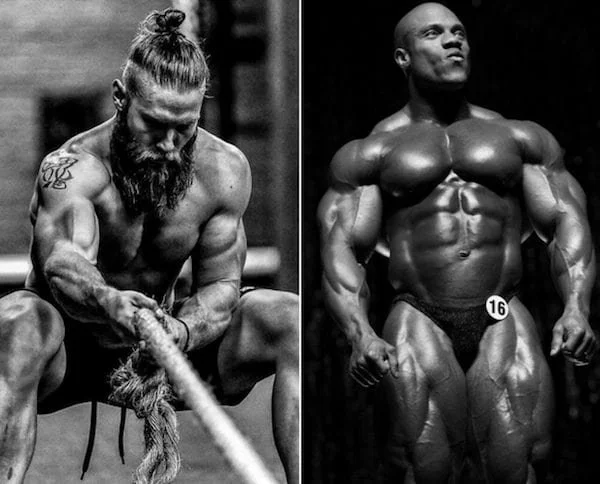
Walk into a commercial gym, and you will see two very different worlds. On one side, there are the machines, the mirrors, and the methodical isolation of muscles—the domain of Bodybuilding. On the other side, there are the open rigs, the kettlebells, and the dynamic, explosive movements—the domain of Functional Fitness.
For years, these two camps have looked at each other with suspicion. Bodybuilders accuse functional athletes of sloppy form and "random" workouts. Functional athletes accuse bodybuilders of having "non-functional" muscles—being "all show and no go."
But biology doesn't care about fitness tribes. It cares about adaptation. And the truth is, if you want a body that is truly bulletproof—capable of performing at a high level for decades—you shouldn't be choosing a side. You should be stealing from both.
The Bodybuilder (The Architect)
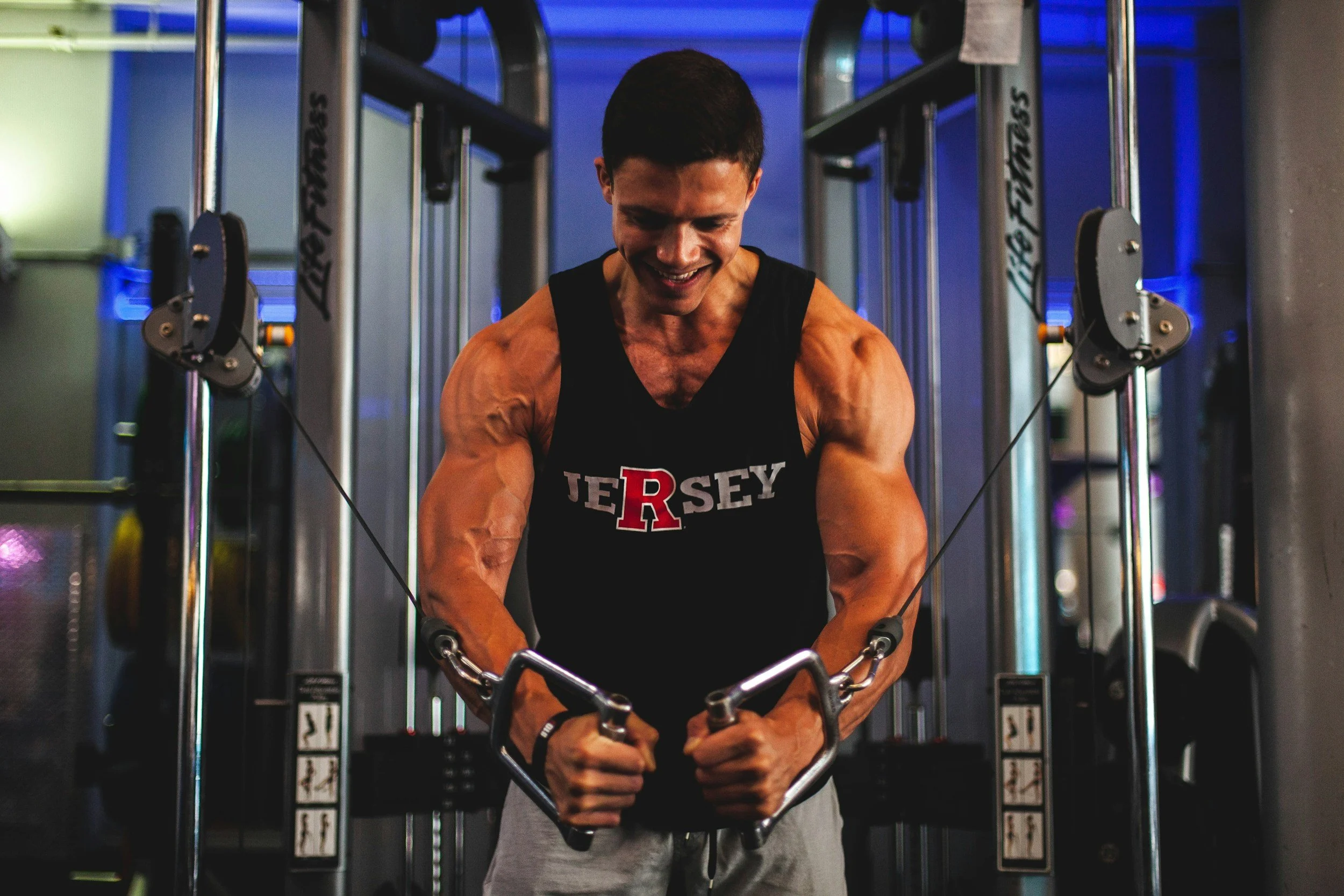
Bodybuilding is often misunderstood as vanity. At its core, it is actually structural engineering.
The primary goal of bodybuilding is hypertrophy—specifically, maximizing the cross-sectional area of the muscle. To do this, bodybuilders use isolation exercises to take a specific muscle through a full range of motion under constant tension.
The Science of "The Pump"
Bodybuilding often targets Sarcoplasmic Hypertrophy. This is an increase in the volume of the fluid (sarcoplasm) inside the muscle cell, which holds glycogen and water. This makes the muscle look "full" and large.
The Superpower: Structural integrity. Isolation exercises allow you to strengthen individual weak links (like rear delts or glute medius) that might get neglected in big movements.
The Flaw: Isolation. In the real world, muscles never work alone. If you only train muscles in isolation, you may lack neuromuscular efficiency—the ability of your brain to coordinate those muscles into a fluid, powerful movement.
The Functional Athlete (The Engineer)
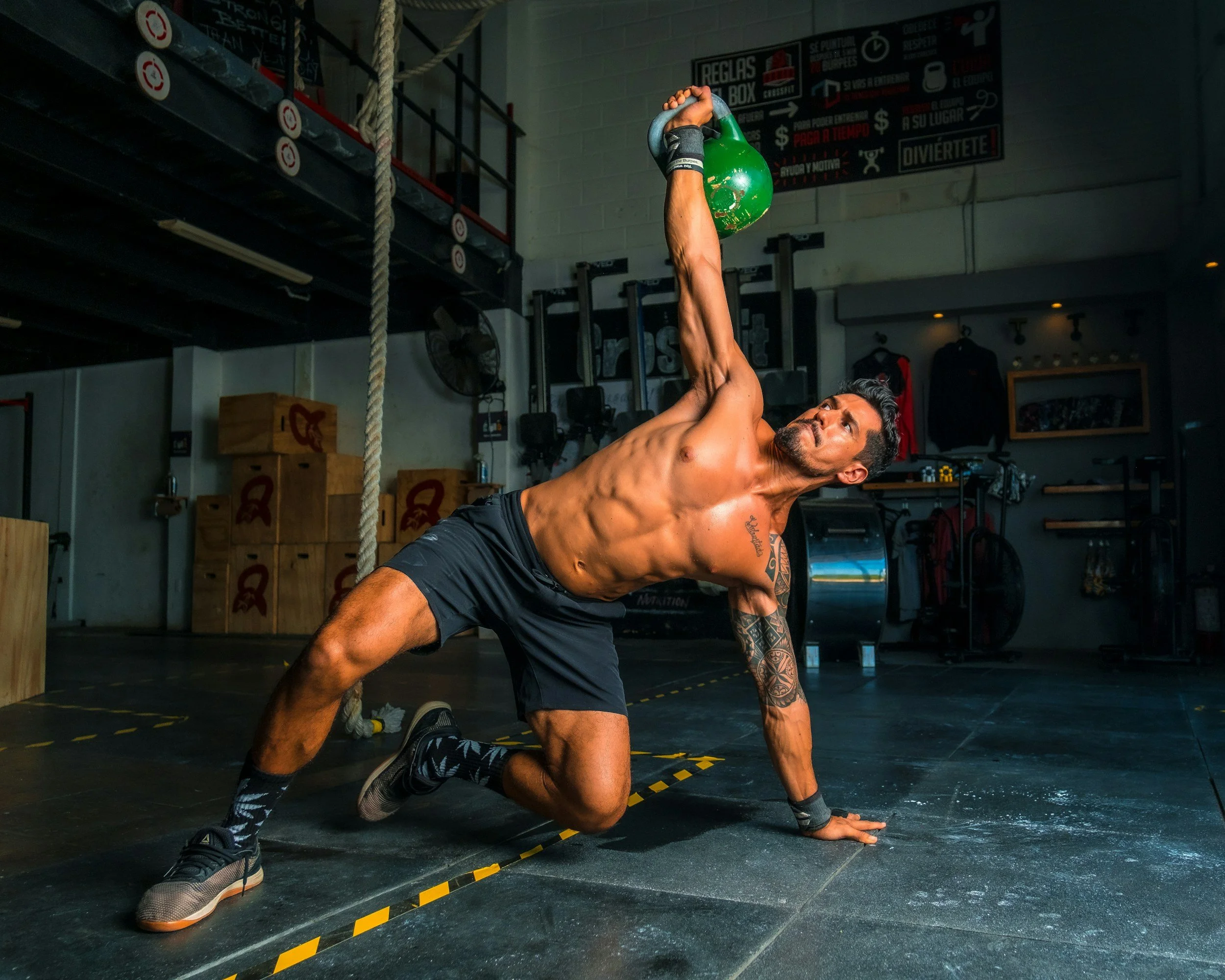
Functional fitness (popularized by CrossFit and tactical training) flips the script. It cares less about what the muscle looks like and more about what the muscle does.
Instead of body parts (Chest Day, Leg Day), functional training focuses on movement patterns: Squat, Hinge, Lunge, Push, Pull, and Carry.
The Science of "The Go"
Functional training often targets Myofibrillar Hypertrophy. This is an increase in the density of the actual contractile fibers (myofibrils). The muscle might not look as "puffy," but it is denser and capable of generating more raw force.
The Superpower: Transferability. A heavy Farmer’s Carry directly translates to carrying groceries, luggage, or kids. It builds "real world" strength that prepares you for the unknown.
The Flaw: The fatigue tax. Functional movements are often highly technical (e.g., Olympic lifting) and taxing on the central nervous system. Performing them for high reps under fatigue can lead to technical breakdown and injury if the structural foundation isn't there.
The Evolution of the "Tactical Athlete"
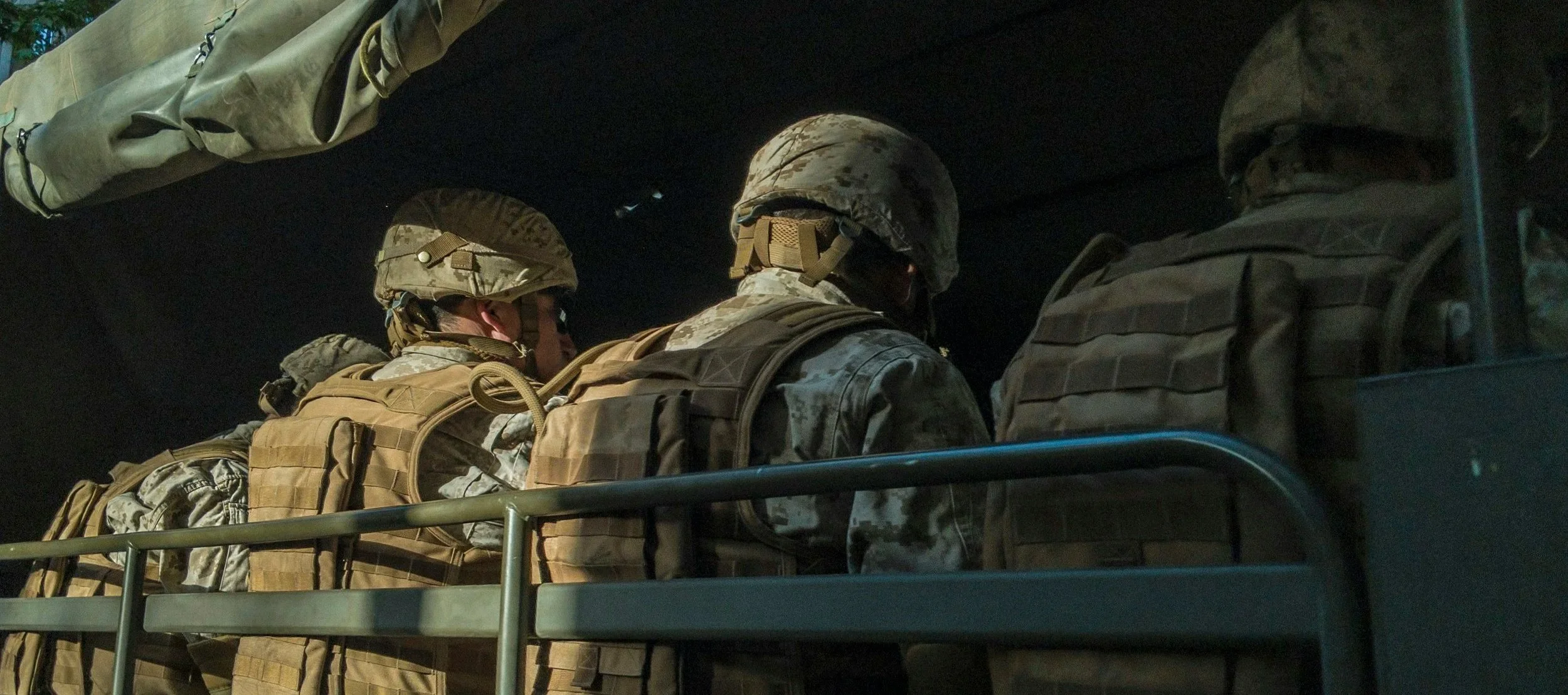
The clearest proof that neither style is sufficient on its own comes from the evolution of military fitness.
For decades, military training was pure endurance: run 5 miles, do 100 pushups, do 100 sit-ups. It was all "engine" and no "chassis." The result? A generation of soldiers with chronic knee, back, and shoulder injuries because they lacked the structural strength to carry heavy combat loads.
Today, modern militaries have shifted to the "Tactical Athlete" model, which is arguably the ultimate hybrid of bodybuilding and function.
Why the Army Started Deadlifting
The new Army Combat Fitness Test (ACFT) is a perfect example of this shift. It abandoned the sit-up (a non-functional movement) for the Trap Bar Deadlift.
The Reason: Soldiers need to lift heavy equipment, drag casualties, and carry rucksacks. This requires a "bodybuilder's" posterior chain (glutes, hamstrings, back) for protection and a "functional athlete's" ability to move that weight under stress.
The Lesson: In the military, muscle mass is "body armor." It protects the joints from impact. But that mass is useless if it can't run, sprint, and drag. The modern soldier effectively trains like a functional bodybuilder to survive.
Marine Corps Combat Fitness Test (Click Here)
The Hybrid Solution – "Functional Bodybuilding"
Why choose between looking good and moving well? The smartest athletes today are adopting a hybrid approach known as Functional Bodybuilding (FBB).
The philosophy is simple: Build the Armor, Feed the Engine.
Use Bodybuilding to Build Armor: Use isolation movements to thicken connective tissue, correct imbalances, and build muscle mass around vulnerable joints (knees, shoulders, hips). This is your protection against injury.
Use Functional Fitness to Feed the Engine: Use compound movements to teach those big muscles how to work together, keeping your heart healthy and your movement fluid.
How to Structure a Hybrid Week

Start with Function: Begin your workout with a heavy, compound movement (Squat, Deadlift, Overhead Press) while your nervous system is fresh. This builds the "Go."
Finish with Form: End your workout with bodybuilding accessory work (Split Squats, Rows, Tricep Extensions) to induce metabolic stress and growth without the risk of heavy loading. This builds the "Show."
Takeaway
A Ferrari engine inside a beat-up chassis is useless. A beautiful chassis with a lawnmower engine is disappointing.
You need both. You need the aesthetic, structural work of the bodybuilder to keep your joints healthy and your muscles large enough to do the work. And you need the dynamic, compound work of the functional athlete to ensure that muscle is useful for more than just posing.
Stop fighting the war. Combine the disciplines. Look like a bodybuilder, move like an athlete.
Works Cited
Schoenfeld, B. J. (2010). The mechanisms of muscle hypertrophy and their application to resistance training. Journal of Strength and Conditioning Research, 24(10), 2857–2872. https://doi.org/10.1519/JSC.0b013e3181e840f3
McGee, D. (2020). Functional Bodybuilding: The definition and application. OPEX Fitness.
Orr, R. M., et al. (2016). The impact of physical training on the injuries of military personnel. Journal of Strength and Conditioning Research.
Boyle, M. (2016). New Functional Training for Sports. Human Kinetics.
Haun, C. T., et al. (2019). A critical evaluation of the biological construct skeletal muscle hypertrophy: Size matters but so does the measurement. Frontiers in Physiology, 10, 247. https://doi.org/10.3389/fphys.2019.00247
