How the Sauna Mimics Exercise and Repairs Your DNA

For thousands of years, cultures ranging from the ancient Romans and Greeks to the Finns and Native Americans have gathered in hot rooms to sweat. We tend to view the sauna as a luxury—a place to relax at a spa after the real work is done in the gym.
But scientists are now discovering that the sauna is not just a way to relax; it is a metabolic powerhouse. It is a way to workout without moving.
The heat acts as a powerful biological stressor, a concept known as hormesis. It tricks your body into thinking it has a fever or is running a marathon. In response, your body activates a dormant cellular defense system led by a family of miracle workers called Heat Shock Proteins.
If you aren't sweating, you might be missing out on one of the most potent longevity tools available to modern humans.
Meet the Cellular Paramedics (Heat Shock Proteins)
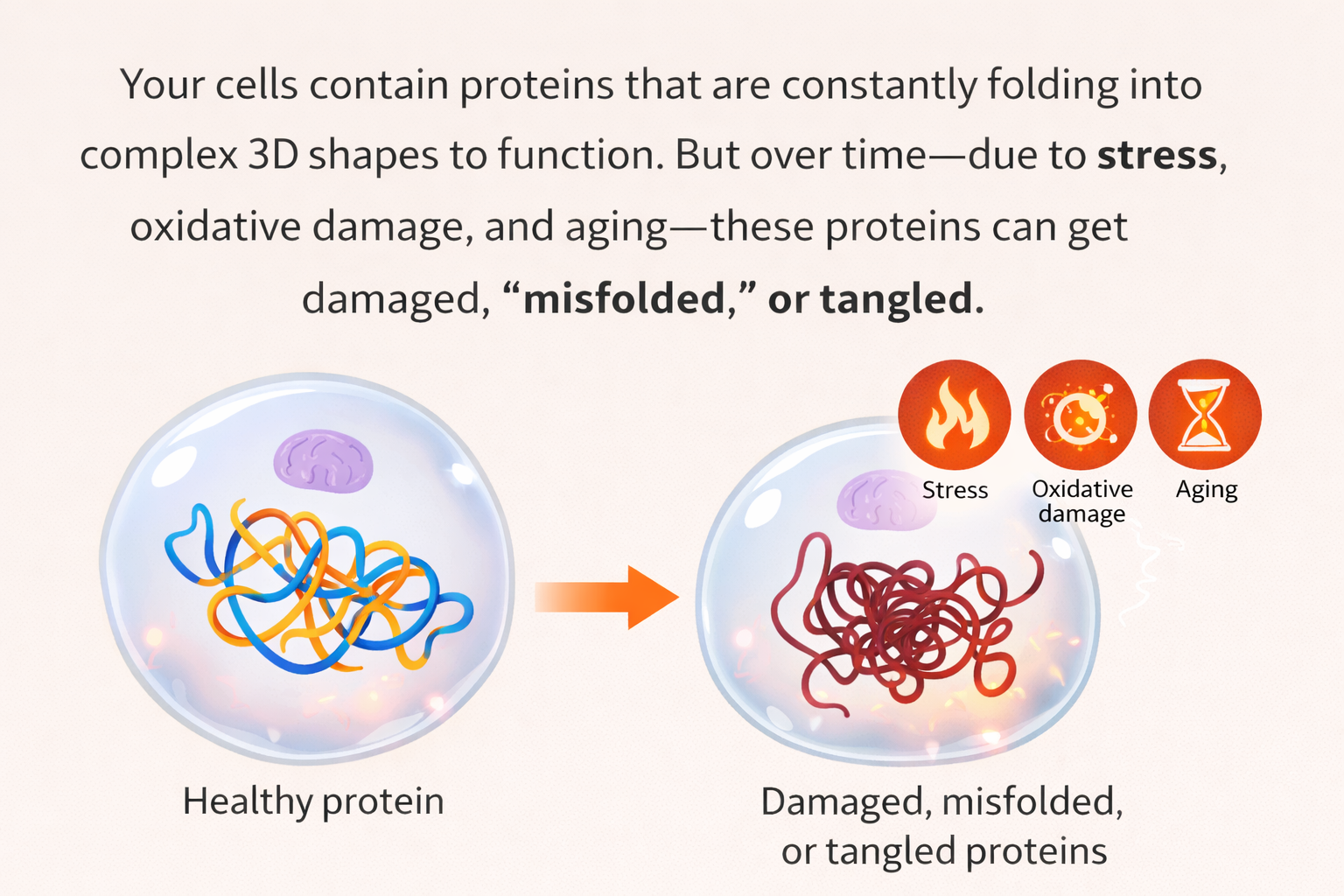
Enter Heat Shock Proteins (HSPs).
When you expose your body to intense thermal stress, you trigger the release of HSPs. Think of them as elite cellular paramedics. They rush to the scene of the "disaster" (the heat) and perform triage:
Refolding: They act as "chaperones," repairing damaged proteins and twisting them back into their correct functional shape.
Recycling: They tag irreparable proteins for destruction, a process linked to autophagy (cellular cleanup).
Protection: They remain in the cell to fortify the structure against future stress.
The "Passive Cardio" Effect
You are sitting still, but your heart thinks you are running a 5K.
When your core body temperature rises, your body works furiously to cool you down by sending blood to the skin's surface. This physiological effort mirrors moderate-intensity exercise.
Heart Rate Increase: Your heart rate can increase to 120-150 bpm.
Vasodilation: Your blood vessels widen significantly. This reduces arterial stiffness and improves endothelial function (the health of the inner lining of your blood vessels).
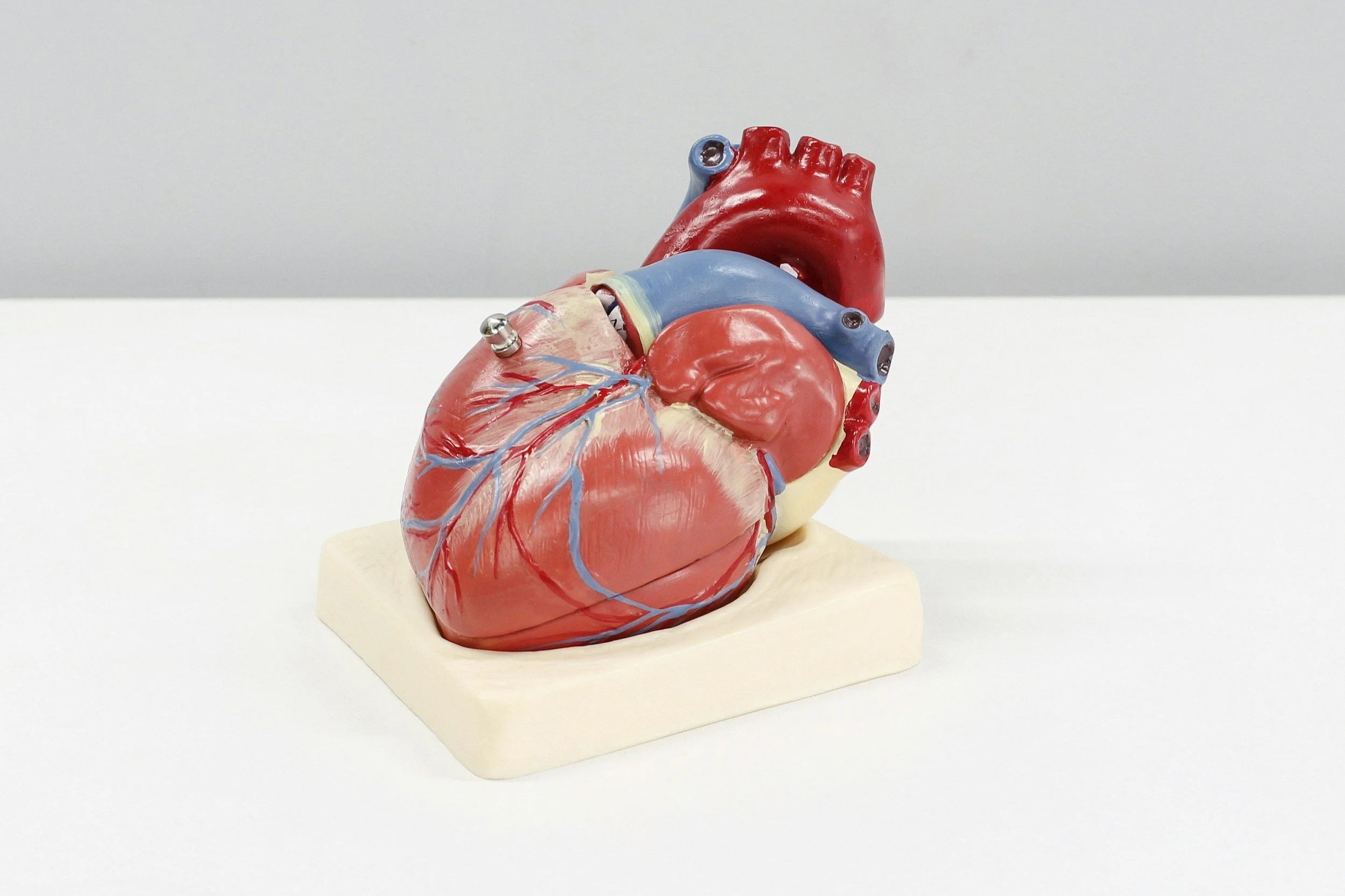
A landmark study from Finland (the "Kuopio Ischaemic Heart Disease" study), which followed 2,300 men for 20 years, found startling results. Men who used the sauna 4-7 times a week had a 50% lower risk of dying from cardiovascular disease compared to those who went only once a week.
The sauna is essentially an exercise mimetic. It doesn't replace the gym, but it doubles down on the cardiovascular benefits.
The Anabolic Signal (Growth Hormone)
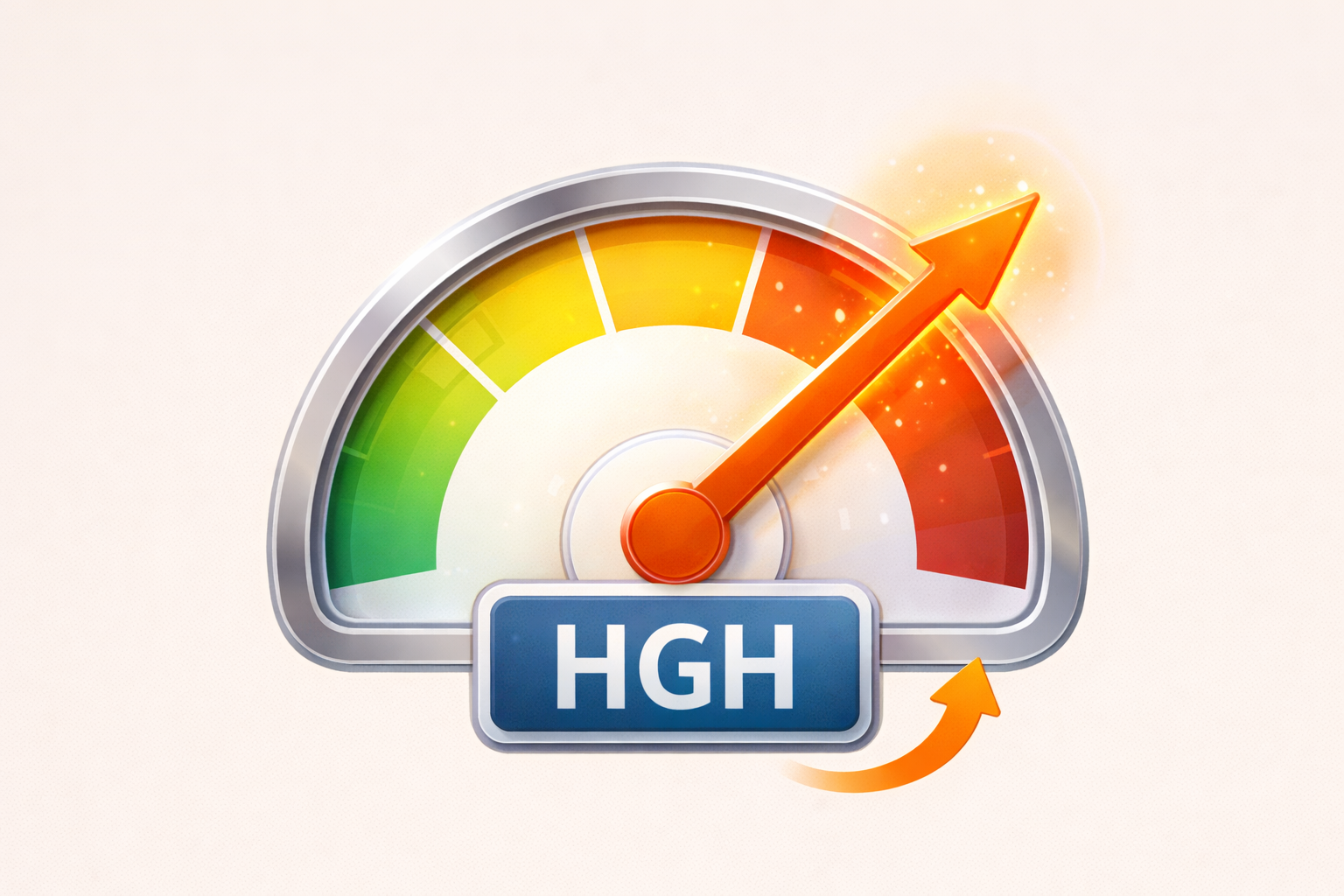
For the fitness enthusiast, this is the most compelling reason to step into the heat. Sauna use causes a massive spike in Human Growth Hormone (HGH).
HGH is vital for muscle repair, bone density, and fat metabolism. However, HGH levels naturally plummet as we age.
The Study
Research shows that two 20-minute sauna sessions at 80°C (176°F), separated by a 30-minute cooling period, can elevate growth hormone levels by 2-fold over baseline. Even more extreme protocols (higher heat, more frequency) have shown spikes up to 16-fold.
This makes the sauna an incredible tool for muscle preservation (preventing atrophy during injury) and recovery after heavy hypertrophy training.
Brain-Derived Neurotrophic Factor (BDNF)
The heat doesn't just protect your heart and muscles; it upgrades your brain.
Heat stress increases the expression of Brain-Derived Neurotrophic Factor (BDNF). Scientists often refer to BDNF as "Miracle-Gro for the brain." It encourages the growth of new neurons (neurogenesis) and creates new synaptic connections, specifically in the hippocampus (the memory center).
Furthermore, the heat triggers the release of dynorphins. Dynorphin is the opposite of endorphin—it makes you feel uncomfortable. But there is a payoff: dynorphin sensitizes your brain's receptors to endorphins. This means that after you leave the sauna, you are more sensitive to natural pleasure, leading to a profound, lasting mood boost.
The Protocol – How Hot and How Long?
To trigger these adaptations, you cannot simply be "warm." You must induce thermal stress.
The "Longevity & Hypertrophy" Protocol:
Type: Traditional Dry Sauna (Infrared is good, but traditional gets hotter).
Temperature: At least 175°F (80°C). Most gym saunas are set too low; you need true heat.
Duration: 20 minutes. You want to stay in long enough to raise your core body temperature significantly.
Frequency: 4+ times per week. The data shows a dose-dependent response—the more you go, the better the protection.
Hydration: You will lose electrolytes. Rehydrate with water and sodium immediately after.
Get Comfortable Being Uncomfortable
We spend our lives trying to control our temperature—AC in the summer, heaters in the winter. We live in a "thermally neutral" comfort zone.
But biology thrives on challenge. Just as your muscles need the stress of weights to grow, your cells need the stress of heat to repair. The sauna is a time machine for your DNA. So step inside, embrace the heat, and let the sweat do the work.
Works Cited
Laukkanen, T., Khan, H., Zaccardi, F., & Laukkanen, J. A. (2015). Association between sauna bathing and fatal cardiovascular and all-cause mortality events. JAMA Internal Medicine, 175(4), 542–548. https://doi.org/10.1001/jamainternmed.2014.8187
Patrick, R. P., & Johnson, T. L. (2021). Sauna use as a lifestyle practice to extend healthspan. Experimental Gerontology, 154, 111510. https://doi.org/10.1016/j.exger.2021.111510
Iguchi, M., et al. (2012). Heat stress and cardiovascular, hormonal, and heat shock proteins in humans. Journal of Athletic Training, 47(2), 184–190.
Leppaluoto, J., et al. (1986). Endocrine effects of repeated sauna bathing. Acta Physiologica Scandinavica, 128(3), 467-470.
Goekint, M., et al. (2011). Influence of heat stress on human hippocampal BDNF concentration. Brain Research.
