The Brain's Night Shift: Activate Your Glymphatic System and Wash Away Alzheimer’s
The Discovery: The brain has a hidden waste removal network called the Glymphatic System that only turns on during sleep.
The Function: It flushes out toxic proteins like Amyloid Beta and Tau, which are linked to Alzheimer's and dementia.
The Trigger: This "brain wash" primarily happens during Deep Sleep (Slow Wave Sleep).
The Fix: You can optimize this process by sleeping on your side, cooling your room, and following the "10-3-2-1" rule.
We spend one-third of our lives asleep. For centuries, scientists and doctors viewed this downtime as a passive state—a biological "off" switch where the body saved energy.
We were wrong.
It turns out that when you close your eyes, your brain doesn't just rest; it goes to work. It activates a hidden plumbing system that literally washes your brain cells clean. This system, discovered only recently, is the key to mental clarity, emotional stability, and the prevention of neurodegenerative diseases.
If you are cutting your sleep short, you aren't just tired—you are leaving biological "trash" in your brain. Welcome to the world of the Glymphatic System.
What is the Glymphatic System?
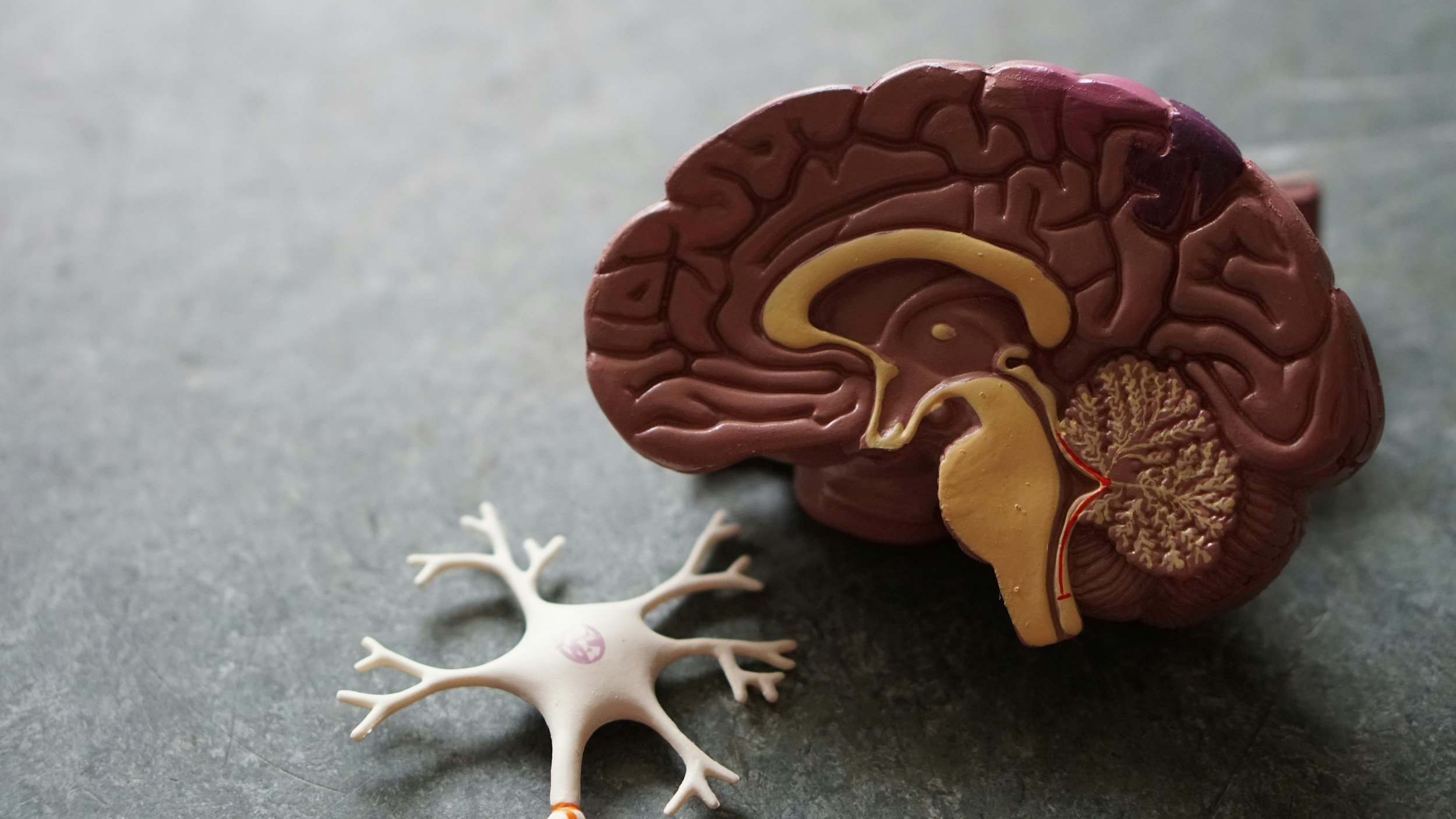
For a long time, anatomy textbooks stated that the brain was the only organ in the body without a lymphatic system (the body's waste removal network). This was a physiological mystery. The brain is the most metabolically active organ, consuming 20% of the body's energy despite being only 2% of its weight. It produces massive amounts of cellular waste. Where did it all go?
In 2012, neuroscientist Maiken Nedergaard at the University of Rochester Medical Center made a breakthrough discovery. She found a network of microscopic pipes that piggyback on the brain's blood vessels. She named it the Glymphatic System (Glial + Lymphatic) because it is managed by the brain's "glial" support cells.
How the "Brain Wash" Works:
Shrinkage: During deep sleep, your brain cells (neurons) actually shrink by up to 60%.
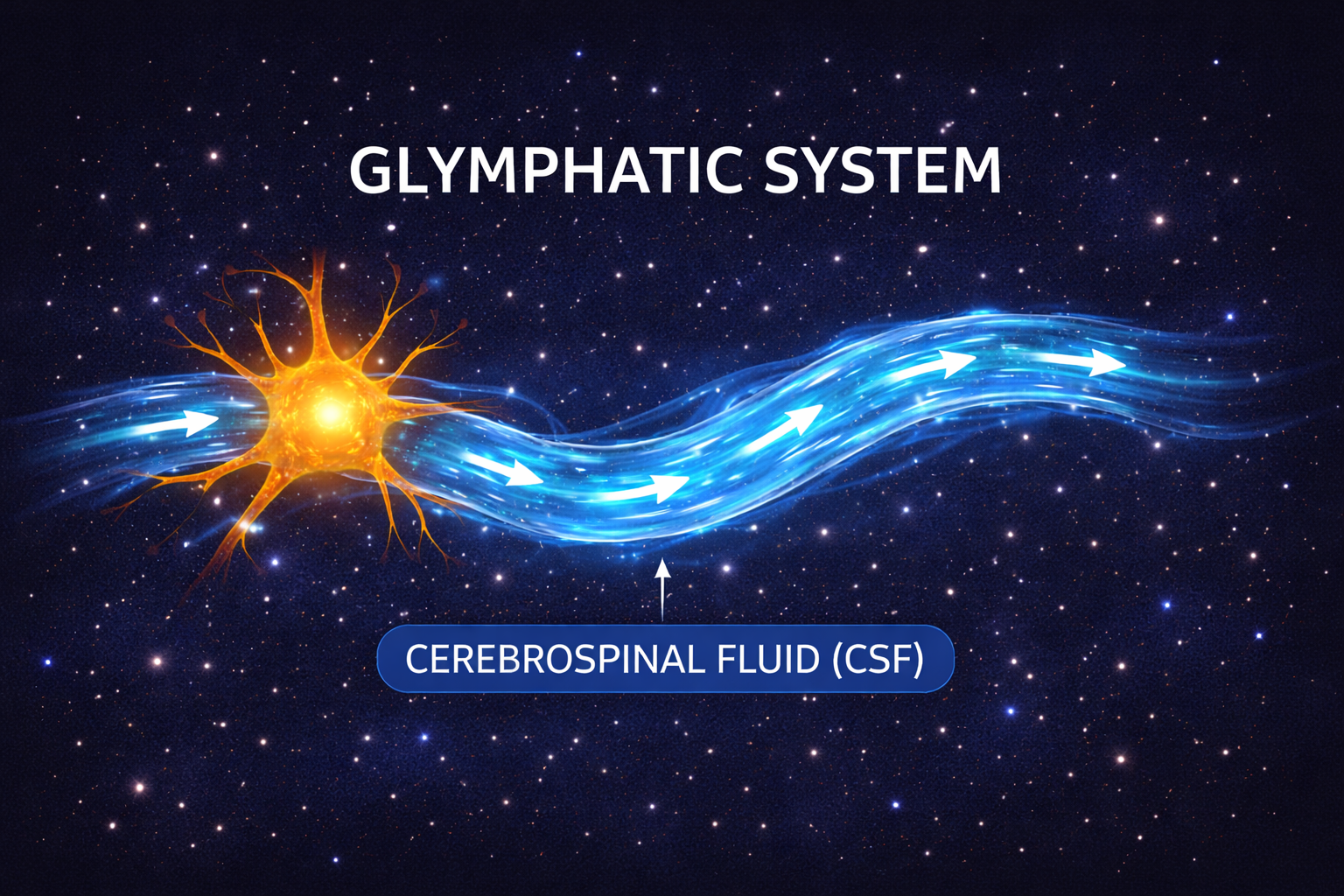
The Flush: This shrinkage creates space. Cerebrospinal fluid (CSF) rushes into these spaces, sweeping through the tissue like a power washer.
The Drain: The fluid collects metabolic waste and flushes it out into the body's lymphatic system to be detoxified by the liver.
The "Trash": Amyloid Beta, Tau, and Alzheimer's Risk
What exactly is being washed away? The primary byproducts are proteins called Amyloid Beta and Tau.
If these sound familiar, it’s because they are the villains of neurology.
Amyloid Beta: Forms sticky plaques that gum up the connection between neurons.
Tau: Forms tangles inside the neurons that kill them.
The accumulation of these proteins is the hallmark pathology of Alzheimer’s Disease. The Glymphatic System is essentially the only mechanism the brain has to remove them. When you sleep, you are literally washing away the seeds of dementia.
Why You Have Brain Fog: The Sleep Architecture Problem
The Glymphatic System is fragile. It doesn't work effectively if you just "nap" or sleep lightly. It requires specific biological conditions to activate, and modern life is designed to disrupt them.
1. The Deep Sleep Requirement
The "power wash" primarily happens during Slow Wave Sleep (Deep Sleep). This is the physically restorative stage of sleep that usually occurs in the first half of the night.
The Problem: Alcohol, THC, and stress crush deep sleep. You might sleep for 8 hours, but if you don't enter this specific stage, the wash cycle never starts. You wake up with a "dirty" brain—characterized by brain fog, irritability, and slow reaction times.
2. The Chronotype Mismatch
Fighting your natural circadian rhythm (e.g., staying up late with blue light) suppresses melatonin. Melatonin isn't just a sleep aid; it is a key signal that tells the Glymphatic System to open the floodgates.
How to Activate Your Glymphatic System (The Protocol)
You can’t control your brain cells directly, but you can engineer the environment they sleep in. Here is the protocol to supercharge your brain's detox process.
1. The "10-3-2-1" Rule for Deep Sleep
10 hours before bed: No caffeine. (It blocks adenosine, the chemical that builds sleep pressure).
3 hours before bed: No food. (Digestion diverts blood flow away from the brain's cleanup crew).
2 hours before bed: No work. (Stress keeps cortisol high, preventing deep sleep).
1 hour before bed: No screens. (Blue light suppresses melatonin).
2. Sleep on Your Side (Lateral Position)
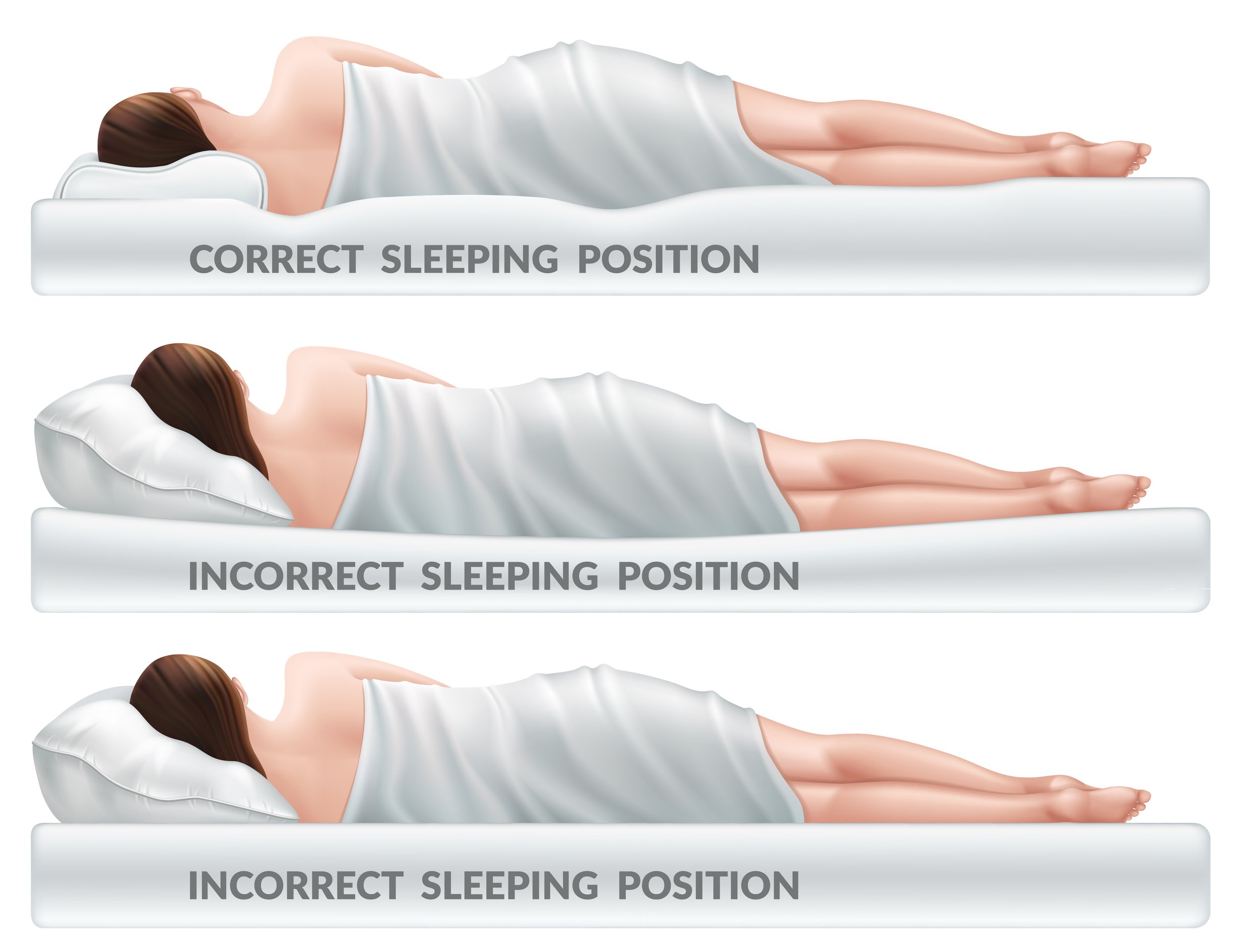
Believe it or not, gravity matters. Rodent studies suggest that the Glymphatic System is most efficient when sleeping in the lateral (side) position. This position appears to optimize the flow of CSF and gravity's assistance in draining waste. Stomach sleeping is generally the least efficient for spinal alignment and drainage.
3. Thermal Regulation (Cool It Down)
To enter deep sleep, your core body temperature must drop by about 2-3 degrees. A hot room prevents this. Keep your bedroom at 65-68°F (18-20°C).
Conclusion: Sleep is Non-Negotiable
We often treat sleep as a "time bank" we can borrow from to be more productive. "I'll sleep when I'm dead," is the hustle culture mantra.
The irony is that by skipping sleep, you are accelerating the aging of your brain. Sleep is not a luxury; it is your biological maintenance crew. It is the only time your brain can take out the trash. So tonight, prioritize your rest. Your memories depend on it.
Frequently Asked Questions (FAQ)
Q: Can you detox your brain while awake?
A: No. The glymphatic system is largely disengaged during wakefulness. The "brain shrinking" required to open the cleaning channels only occurs during sleep or anesthesia.
Q: Does melatonin help the glymphatic system?
A: Yes. Melatonin is not only a sleep signal but also acts as an antioxidant that may help facilitate the glymphatic process.
Q: How do I know if my glymphatic system is working?
A: The best subjective measure is how you feel upon waking. If you wake up feeling mentally sharp, clear-headed, and refreshed, your deep sleep (and glymphatic clearance) was likely sufficient. If you have "brain fog" despite 8 hours in bed, you may have missed out on deep sleep.
Works Cited
Xie, L., Kang, H., Xu, Q., Chen, M. J., Liao, Y., Thiyagarajan, M., ... & Nedergaard, M. (2013). Sleep drives metabolite clearance from the adult brain. Science, 342(6156), 373-377. https://doi.org/10.1126/science.1241224
Iliff, J. J., Wang, M., Liao, Y., Plogg, B. A., Peng, W., Gundersen, G. A., ... & Nedergaard, M. (2012). A paravascular pathway facilitates CSF flow through the brain parenchyme and the clearance of interstitial solutes, including amyloid $\beta$. Science translational medicine, 4(147), 147ra111. https://doi.org/10.1126/scitranslmed.3003748
Lee, H., Xie, L., Yu, M., Kang, H., Feng, T., Deane, R., ... & Benveniste, H. (2015). The effect of body posture on brain glymphatic transport. Journal of Neuroscience, 35(31), 11034-11044. https://doi.org/10.1523/JNEUROSCI.1625-15.2015
Rasmussen, M. K., Mestre, H., & Nedergaard, M. (2018). The glymphatic pathway in neurological disorders. The Lancet Neurology, 17(11), 1016-1024. https://doi.org/10.1016/S1474-4422(18)30318-1
Reddy, O. C., & van der Werf, Y. D. (2020). The sleeping brain: harnessing the power of the glymphatic system through lifestyle choices. Brain sciences, 10(11), 868. https://doi.org/10.3390/brainsci10110868
