The "Lazy" Cardio Hack: Why Going Slower Burns More Fat

The Trap: The fitness industry sold us the "No Pain, No Gain" myth. Doing high-intensity cardio (HIIT) every single day spikes cortisol, drives chronic inflammation, and leads to burnout.
The Energy Systems: High-intensity workouts burn glycogen (sugar). Low-intensity workouts burn lipids (stored fat). If your heart rate is too high, you literally shut off your body's ability to burn fat.
The Solution: Zone 2 Cardio. Exercising at a pace where you can comfortably hold a conversation is the ultimate biohack for building cellular energy.
The Benefit: Zone 2 builds massive amounts of mitochondria, acting as a "vacuum" to clear out metabolic waste and dramatically improve your lifespan.
Walk into any popular boutique fitness class, and the vibe is identical: blaring music, flashing lights, and an instructor screaming into a microphone to push harder. Everyone is dripping in sweat, gasping for air, and staring at a heart-rate monitor trying to reach the "red zone."
We have been brainwashed to believe that if a workout doesn't leave you completely destroyed on the floor, it didn't count.
But a massive shift is happening in the world of elite athletics and longevity science. Biohackers, Tour de France cyclists, and world-class MMA fighters are realizing that grinding in the "red zone" every day is actually a recipe for disaster. It halts fat loss, spikes stress hormones, and ruins your joints.
If you want to build an unbreakable engine, you need to do the exact opposite. You need to slow down. Welcome to the magic of Zone 2 Cardio.
@Shutterstock
The Chemistry of Fat Loss: Why Intensity Matters
To understand why going slower burns more fat, you have to look at the chemistry of how your cells create energy (ATP). Your body has two primary fuel tanks:
Glucose/Glycogen (Sugar): Fast-burning, highly explosive rocket fuel.
Lipids (Stored Body Fat): Slow-burning, nearly limitless diesel fuel.
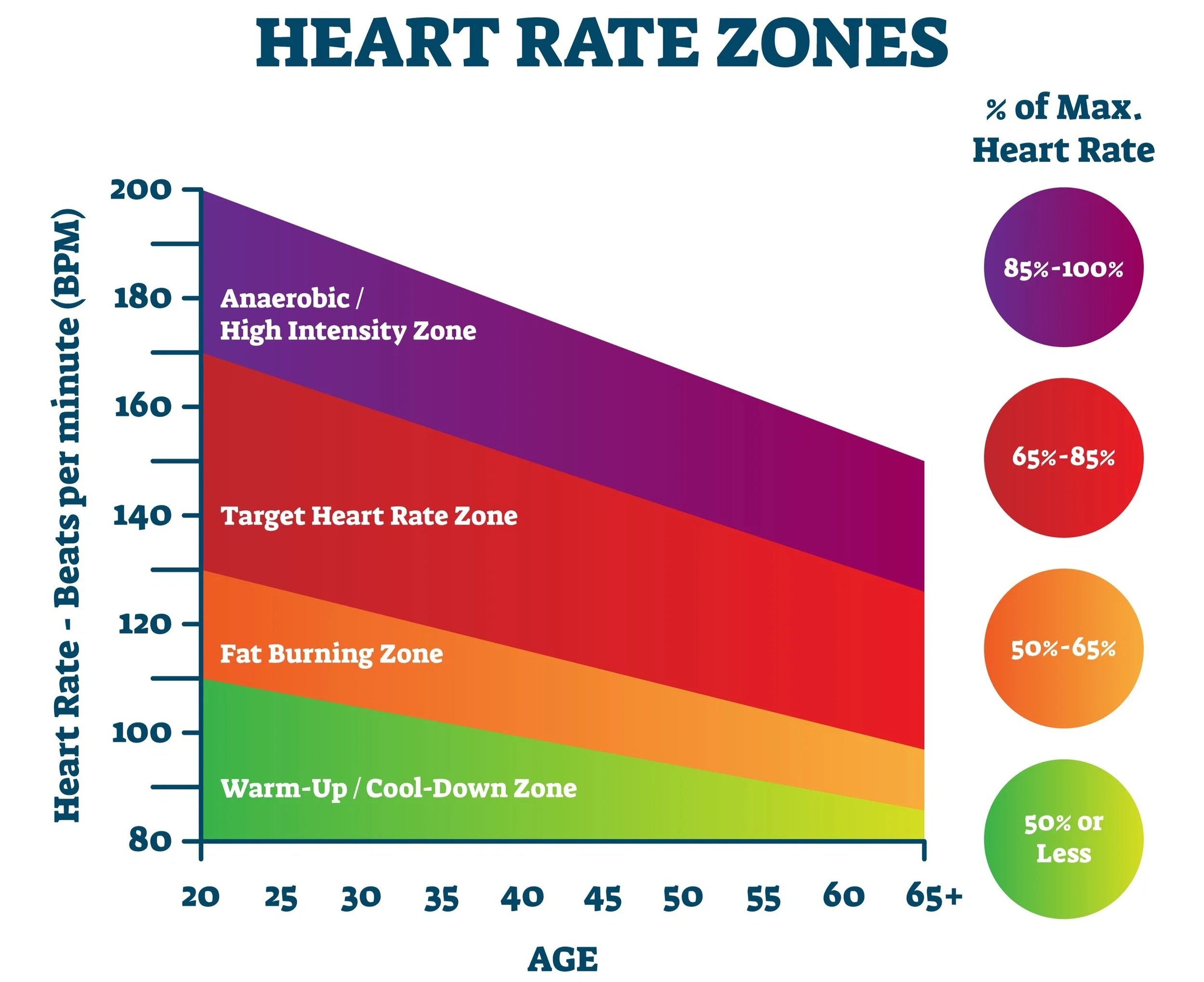
When you do a HIIT class, a heavy CrossFit WOD, or a hard run, your heart rate spikes into Zone 4 or 5. Your body needs energy now. Because burning fat takes too much oxygen and too much time, your body slams the door shut on your fat stores and exclusively burns sugar.
However, when you keep your heart rate lower—specifically in Zone 2 (roughly 60% to 70% of your maximum heart rate)—you have plenty of oxygen available. In this precise zone, your body prefers to use stored body fat as its primary fuel source.
The Paradox: If you want to burn fat, running faster and pushing harder actually flips a biological switch that stops fat oxidation dead in its tracks.
Building the Powerhouse: Mitochondrial Biogenesis
Fat loss is just the superficial benefit. The real reason longevity doctors prescribe Zone 2 cardio is what it does to your cells.
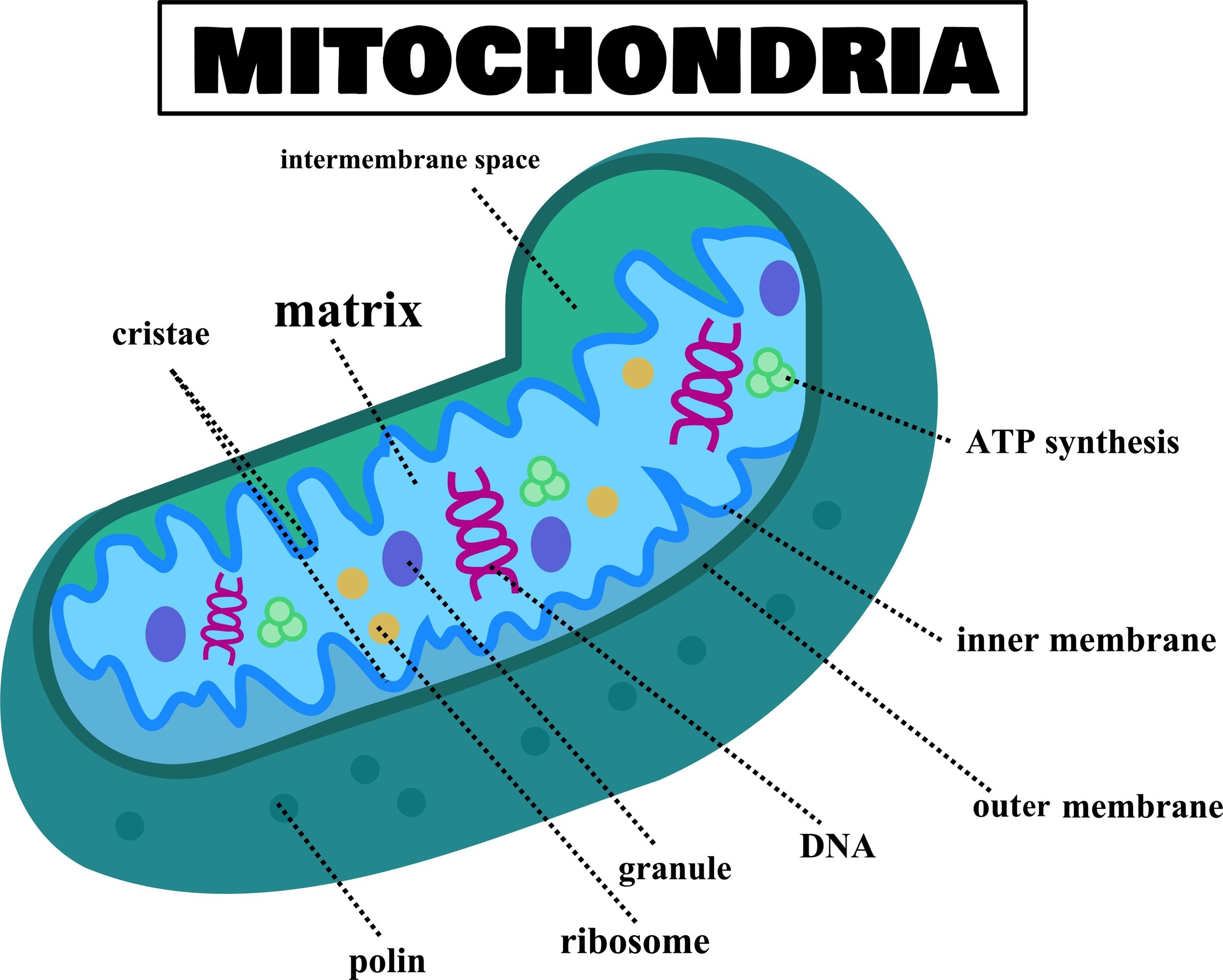
Your cells contain mitochondria, the microscopic "powerhouses" that turn food and oxygen into energy. As we age, our mitochondria become dysfunctional, leading to fatigue, metabolic disease, and cognitive decline.
Zone 2 cardio is the only intensity level that optimally stimulates Mitochondrial Biogenesis—the creation of brand-new, healthy mitochondria.
Think of it like upgrading your car's engine. Heavy lifting and sprinting make your engine bigger and louder. But Zone 2 cardio builds a massive, hyper-efficient fuel pump. When you have more mitochondria, you clear lactic acid faster, you recover between weightlifting sets quicker, and your resting heart rate drops like a stone.

The Protocol: How to Find Your Zone 2
You don't need a fancy chest strap or a laboratory VO2 Max test to find your Zone 2. You just need to use the "Talk Test."
The Talk Test
You are in Zone 2 if you can hold a continuous conversation with the person next to you, but your voice is just slightly strained. You shouldn't be able to sing a song, but you shouldn't have to gasp for breath between sentences. If you have to open your mouth to aggressively suck in air, you are going too fast. Drop the pace.
The Best Machines for Zone 2
Because running often spikes the heart rate too high for beginners, the best tools for Zone 2 are low-impact:
Incline Treadmill Walking: Set the treadmill to a 10-12% incline and walk at a brisk 3.0 mph.
The Stationary Bike: Perfect for locking in a steady wattage and heart rate.
The Rower or SkiErg: Excellent for full-body, low-intensity steady state.
The 80/20 Rule
Does this mean you should never sprint or lift heavy again? Absolutely not. Elite athletes train using the 80/20 Rule (Polarized Training).
80% of your cardio volume should be painfully slow, easy Zone 2 work. (e.g., three 45-minute sessions a week).
20% of your volume should be maximum effort, high-intensity intervals. (e.g., one 15-minute sprint session).
Keep your hard days incredibly hard, and your easy days incredibly easy. The "junk miles" in the middle—Zone 3—are where most people spend their time, resulting in massive fatigue with very little biological adaptation.
@shutterstock
Conclusion: Leave Your Ego at the Door
Zone 2 cardio is an exercise in humility. When you first start, you will feel like you are going embarrassingly slow. You will want to crank up the speed to prove to yourself (and the people around you) that you are fit.
Don't.
True cardiovascular health is not about how much you can suffer in a 45-minute spin class. It is about building a microscopic, cellular engine that burns fat effortlessly while you sleep, clears waste products efficiently, and keeps your heart beating strong for the next fifty years.
Take a breath. Slow down. And watch your fitness skyrocket.
Frequently Asked Questions (FAQ)
Q: Can I do Zone 2 cardio on the same day as lifting weights? A: Yes, but sequence matters. If you are doing them in the same session, always lift weights first (to use your glycogen stores for maximum strength), and do your Zone 2 cardio second (when your body is primed to burn fat).
Q: How many days a week do I need to do Zone 2? A: To see significant structural changes in your mitochondria, experts recommend a minimum of 150 to 180 minutes per week, broken up into 3 or 4 sessions (e.g., four 45-minute sessions).
Q: Can I just walk my dog for Zone 2? A: A casual neighborhood stroll is usually Zone 1. It is great for mental health and movement, but it does not stress the heart enough to trigger mitochondrial biogenesis. You need sustained, continuous effort where you break a light sweat and hit the "Talk Test" threshold.
Works Cited
Seiler, S. (2010). What is best practice for training intensity and duration distribution in endurance athletes?. International Journal of Sports Physiology and Performance, 5(3), 276-291.
San-Millán, I., & Brooks, G. A. (2018). Assessment of metabolic flexibility by means of measuring blood lactate, fat, and carbohydrate oxidation responses to exercise in professional endurance athletes and less-fit individuals. Sports Medicine, 48(2), 467-479.
Hawley, J. A., et al. (2014). Nutritional modulation of training-induced skeletal muscle adaptations. Journal of Applied Physiology, 116(3), 323-332.
Attia, P. (2023). Outlive: The Science and Art of Longevity. Harmony Books.
